

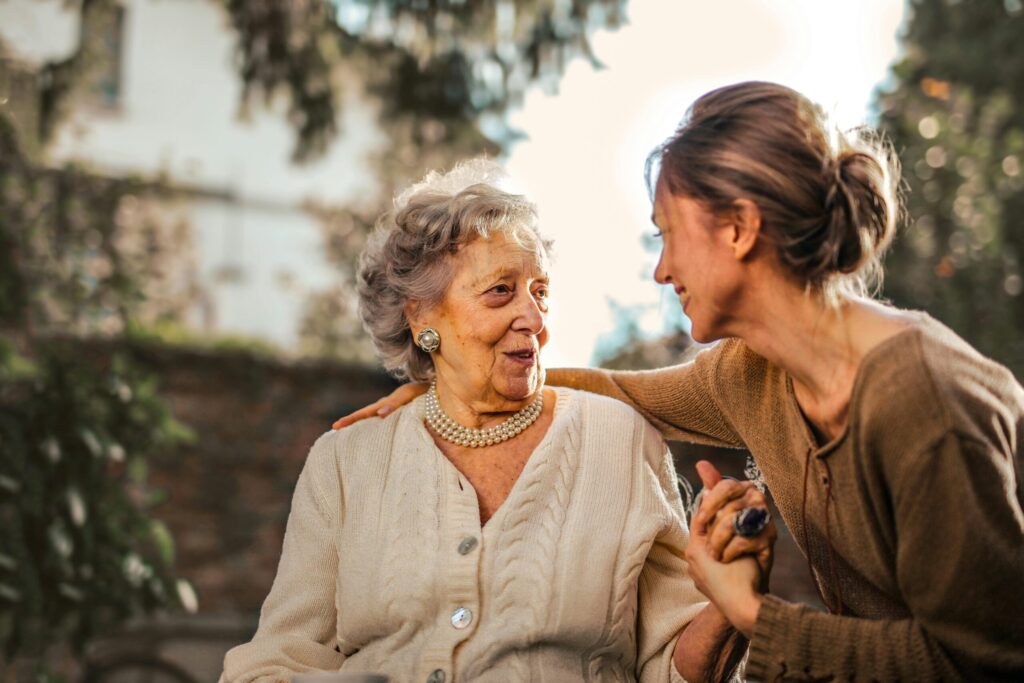
Choosing the right in-home care provider is about more than experience and compassion—it’s about ensuring effective communication, trust, and comfort. For seniors and individuals with disabilities, being understood and able to communicate clearly with their caregiver can make a huge difference in overall well-being. That’s where multilingual caregivers come in.
At Liberty Home Care, we provide in-home care services in West Chester, OH, and surrounding communities with a team of multilingual caregivers fluent in French, Russian, Arabic, and other languages. Our goal is to bridge communication gaps, foster meaningful connections, and enhance the quality of care seniors receive. In this article, we’ll explore why multilingual caregivers make a difference and how families can benefit from this service.
Understanding the Importance of Communication in Home Care
Effective communication is the cornerstone of high-quality in-home care. Seniors often have unique needs, preferences, and health conditions that require clear, precise communication. Misunderstandings can lead to missed instructions, medication errors, or even emotional distress.
Multilingual caregivers help overcome these challenges by:
- Ensuring clear communication: Seniors can express needs, preferences, and concerns in a language they’re comfortable with.
- Reducing stress and frustration: Seniors feel understood and respected, creating a more positive care experience.
- Improving safety: Caregivers can provide accurate assistance with medications, meals, and mobility instructions, reducing risks of errors.
For families, multilingual caregivers also make coordination easier, particularly in households where English may not be the primary language. This ensures everyone involved in care—from family members to healthcare providers—can communicate effectively.
Emotional Benefits of Multilingual Care
Language is deeply tied to emotional comfort and cultural identity. Seniors who speak a language other than English may feel isolated or misunderstood if their caregiver cannot communicate fluently. Multilingual caregivers provide:
- Emotional connection: Speaking a familiar language helps seniors feel understood and valued.
- Reduced anxiety: Clear communication decreases stress, confusion, and frustration.
- Cultural understanding: Caregivers who speak the same language often understand cultural norms, traditions, and preferences, which enhances the care experience.
For example, a French-speaking senior may feel more comfortable discussing personal needs and daily routines in French. Similarly, a Russian-speaking client may enjoy reminiscing about cultural traditions with a caregiver who shares their language. These connections can dramatically improve overall happiness and engagement.
Enhancing Quality of Care
Multilingual caregivers contribute to better overall care outcomes because they can:
- Follow detailed instructions accurately: Seniors and family members can give specific guidance in a shared language.
- Monitor health more effectively: Clients are more likely to report pain, discomfort, or symptoms promptly.
- Provide personalized care: Caregivers can tailor routines and activities to the client’s preferences, dietary needs, and cultural habits.
- Support mental well-being: Feeling understood fosters confidence, independence, and emotional stability.
These advantages are particularly valuable for seniors in West Chester, OH, and surrounding communities, where families may come from diverse backgrounds and language needs vary.
Practical Benefits for Families
Multilingual caregivers don’t just benefit seniors—they also support families in several practical ways:
- Ease of communication: Families who speak the same language as the caregiver can provide instructions, coordinate schedules, and ask questions with confidence.
- Peace of mind: Knowing a caregiver can communicate clearly reduces worries about errors or misunderstandings.
- Support for diverse households: Multilingual caregivers help families where multiple languages are spoken, ensuring consistent care for all members.
- Enhanced involvement: Families can be more engaged in care planning and daily activities when communication is clear and efficient.
By providing a bridge between seniors and their families, multilingual caregivers help everyone feel more connected and involved.
Supporting Seniors with Cognitive Impairments
Seniors with dementia, Alzheimer’s, or other cognitive impairments often benefit immensely from multilingual caregivers. Familiar language can:
- Reduce confusion: Using a language the senior understands helps them follow instructions and engage in conversation.
- Minimize agitation: Miscommunication can trigger frustration or anxiety, so speaking their native language can calm and reassure them.
- Enhance memory and recognition: Hearing familiar words, phrases, or cultural references can stimulate memory and provide comfort.
In these cases, multilingual caregivers do more than provide daily support—they offer emotional stability and cognitive engagement that significantly improve quality of life.
Cultural Competence Matters
Language and culture are deeply intertwined. Multilingual caregivers often bring cultural understanding that enhances the care experience. They can:
- Respect cultural norms around meal preparation, daily routines, or social interactions.
- Celebrate traditions and holidays meaningful to the client.
- Encourage culturally appropriate activities that bring joy and familiarity.
This cultural competence helps seniors feel valued and respected, strengthening the caregiver-client relationship and improving overall satisfaction with in-home care.
Real-Life Scenarios
To illustrate the difference multilingual caregivers make:
- A senior client who primarily speaks Arabic can communicate dietary preferences, medication concerns, and personal routines clearly, reducing stress and ensuring proper care.
- A French-speaking elderly couple enjoys reminiscing about family traditions with a caregiver who shares their language, enhancing social engagement and emotional well-being.
- A Russian-speaking client feels more confident expressing health concerns, allowing caregivers to respond quickly and appropriately.
In each scenario, language fluency goes beyond communication—it creates trust, comfort, and a meaningful connection.
Flexibility and Personalized Care
At Liberty Home Care, we recognize that every senior has unique needs. Multilingual caregivers provide flexibility in care, allowing:
- Personalized daily routines that match the client’s language and cultural preferences.
- Communication with multiple family members who may speak different languages.
- Quick adaptation to changing needs, whether for errands, transportation, or in-home support.
This flexibility ensures seniors feel comfortable and respected, while families experience peace of mind knowing their loved ones are understood and cared for.
How Liberty Home Care Supports Multilingual Needs
Our caregivers in West Chester, OH, and surrounding areas are trained to provide compassionate, culturally competent, and language-sensitive care. Services include:
- Personal care: Assistance with bathing, dressing, grooming, and mobility.
- Companionship: Friendly conversation, social engagement, and emotional support.
- Light housekeeping and pet care: Ensuring a comfortable and clean home environment.
By combining multilingual skills with professional training and compassionate care, our team provides seniors with the highest quality of in-home support.
The Impact on Families
Families often express relief and gratitude when they see the benefits of multilingual care:
- Reduced worry about miscommunication or errors
- Confidence that their loved ones are understood and respected
- Ability to participate actively in care planning and daily routines
- Strengthened relationships between seniors, caregivers, and family members
This support allows families to focus on spending quality time with their loved ones, knowing they are in capable and understanding hands.
Conclusion
Multilingual caregivers are not just a convenience—they are a critical component of quality in-home care. By bridging language gaps, providing cultural understanding, and fostering emotional connections, these caregivers enhance safety, independence, and overall well-being for seniors.
At Liberty Home Care, we are proud to offer multilingual care services to seniors in West Chester, OH, and surrounding communities within a 25-mile radius. Our caregivers speak French, Russian, Arabic, and other languages, ensuring that every senior feels understood, respected, and supported.
Whether you are seeking personal care, companionship, transportation, or live-in support, our multilingual caregivers make a meaningful difference in daily life. Contact Liberty Home Care today to learn more about how our team can provide compassionate, personalized care tailored to your loved one’s language, culture, and needs.