

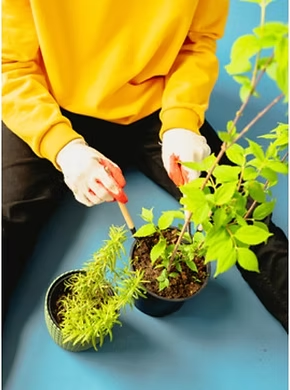
For many seniors, home is more than a place to live—it’s a sanctuary filled with memories, routines, and meaningful objects. One of the most common sources of comfort and joy for older adults is something beautifully simple: plants. Whether it’s a sun-loving fern in the window, a collection of succulents, or a carefully tended garden in the backyard, plants can bring life, structure, and emotional comfort to daily living.
However, as seniors age, maintaining their beloved plants can become difficult. Tasks like watering, pruning, repotting, or managing pests may be physically demanding, especially for older adults with mobility limitations, arthritis, or cognitive decline. That’s where plant care services within senior home care play a powerful and often overlooked role. These services not only keep plants healthy—but also support seniors’ mental, emotional, and even physical wellbeing.
Below, we explore why plant care matters so much for aging adults, the challenges they may face with plant maintenance, and how caregivers can bridge the gap to help seniors maintain both their plants and their independence.
Why Plants Matter So Much for Seniors
Plants might seem like small details in a home, but research consistently shows that they have a measurable impact on overall wellbeing—especially for older adults. Plants offer:
1. Emotional Comfort and Stability
Seniors often connect deeply with their living environments. When mobility declines or social circles shrink, houseplants become meaningful companions that require gentle attention and provide a sense of responsibility in return. Caring for something alive contributes to a sense of purpose and daily routine.
2. Reduced Stress and Improved Mood
Numerous studies show that simply being around greenery reduces heart rate, lowers cortisol (stress hormone), and boosts mood. For seniors managing chronic illness, cognitive changes, or loneliness, this calming effect is invaluable.
3. Cognitive Stimulation
Interacting with plants—watering them, observing growth, remembering care schedules—activates memory and executive functioning. Seniors with early-stage dementia or Alzheimer’s often benefit greatly from predictable and familiar tasks like simple plant care.
4. Physical Benefits
When seniors are able to participate in plant care, even minimally, they engage in gentle movement. Stretching, reaching, and light lifting all support mobility and fine motor skills. Indoor plants also improve air quality, which benefits respiratory health.
Clearly, plants aren’t just decoration—they contribute to a senior’s quality of life in meaningful ways. But when these beloved plants become difficult to maintain, they can quickly shift from being a source of joy to a source of stress. That is where in-home caregivers step in.
The Challenges Seniors Face in Caring for Plants
With age, both physical and cognitive limitations can make plant maintenance challenging. Some of the most common obstacles include:
1. Reduced Mobility
Watering plants that are scattered around the home, carrying watering cans, or reaching high shelves can be difficult for seniors using walkers, wheelchairs, or canes.
2. Vision Decline
Macular degeneration, cataracts, and general vision loss can make it hard to notice pests, dried-out soil, or yellowing leaves—early warning signs that plants need attention.
3. Forgetfulness or Cognitive Decline
Seniors with memory challenges may overwater or underwater plants. They may forget to rotate potted plants, trim them, or repot them when needed.
4. Physical Strength Limitations
Tasks like lifting heavy pots, repotting, or pruning require dexterity and strength. These are often difficult for individuals with arthritis or chronic pain.
5. Outdoor Gardening Risks
For seniors who love their outdoor flowers or vegetable gardens, bending, kneeling, and exposure to heat can create safety risks.
Without help, even long-loved plants can decline. Seniors often feel guilty when their plants start to die, which can affect their confidence and wellbeing. Plant care support can prevent this and preserve the joy these plants bring.
How Plant Care Services Within Senior Home Care Make a Difference
Professional caregivers provide much more than physical support—they help maintain the environment and lifestyle seniors have created over a lifetime. Adding plant care services to a care plan helps seniors enjoy their plants without strain or worry.
Here’s how caregivers help keep plants thriving while supporting seniors’ wellbeing:
1. Routine Watering and Feeding
Plant health depends on consistency. Caregivers can establish a regular watering schedule, ensuring plants never go too long without hydration—or receive too much. They can also apply fertilizers and nutrients as needed.
This regular care helps plants flourish while relieving seniors of the stress of remembering each step.
2. Pruning, Trimming, and Cleaning
Overgrown or dusty plants can decline quickly. Caregivers can gently prune dead leaves, rotate plants toward sunlight, dust foliage, and keep each plant healthy and vibrant. These small touches ensure plants remain beautiful and thriving.
3. Monitoring for Pests or Diseases
Aphids, mites, mold, and other issues can spread quickly. Caregivers often notice early signs of trouble because they’re regularly present in the home, helping prevent damage before it becomes irreversible.
4. Safe Indoor Plant Placement
Caregivers ensure plants are not placed in areas where seniors might trip, bump into them, or spill water. They help seniors enjoy greenery while maintaining a safe living space.
5. Support for Seniors Who Want to Participate
For many older adults, plant care remains a beloved hobby. Rather than taking tasks away, caregivers can adapt the activity:
- Using lightweight watering tools
- Setting plants at accessible heights
- Assisting with repotting
- Creating small indoor herb gardens seniors can tend comfortably
This guided participation boosts confidence, reduces loneliness, and helps seniors stay engaged in meaningful activities.
6. Outdoor Plant and Garden Support
For seniors with yards, patios, or container gardens, caregivers can assist with light outdoor plant care. This may include seasonal planting, watering, trimming, and ensuring seniors are safe and comfortable while spending time outdoors.
7. Emotional and Social Benefits
Most importantly, plant care becomes a shared activity that encourages conversation, creativity, and emotional expression. Many seniors love talking about their plants, their gardening history, or their favorite flowers. Caregivers can use this as a way to build trust and meaningful connection.
How Plant Care Enhances Overall Senior Wellness
Plant care services aren’t just about keeping greenery alive—they play a meaningful role in holistic senior home care.
Improved Mental Health
Seeing thriving plants improves mood and reduces feelings of depression. Seniors who maintain their connection with nature often feel more grounded and content.
Better Daily Structure
Routine is essential for seniors, especially those with cognitive changes. Plant-related activities can become comforting anchors in their day.
Enhanced Sense of Purpose
The simple act of nurturing a plant can give seniors something to look forward to, something to care about, and a sense of accomplishment.
A Healthier Home Environment
Plants naturally purify the air, increase humidity, and create a calming ambiance.
Safer Homes
When professionals maintain plant placement and watering schedules, it reduces fall risks and clutter.
Why Families Should Consider Plant Care Services
Many families are surprised to learn how much plant care matters to their aging loved ones. For seniors who spent years tending gardens, growing flowers, or keeping indoor plants, these activities represent joy, identity, and independence.
When families choose in-home care services that include plant care, they’re not just keeping greenery alive—they’re helping preserve a loved one’s comfort, dignity, and sense of home.
Caregivers who support plant care help seniors:
- Maintain familiar routines
- Stay connected to nature
- Experience a sense of ownership and pride
- Live in a peaceful, uplifting environment
- Continue pursuing hobbies they love
It’s one of the simplest, most meaningful ways home care services can enrich daily life for older adults.
Final Thoughts
Keeping plants healthy may seem like a small part of senior home care, but it has profound effects on emotional wellbeing, cognitive engagement, and daily fulfillment. For seniors who cherish their plants but struggle with the physical demands of maintenance, plant care services offer the best of both worlds: thriving greenery and the continued joy of a lifelong passion.
As families explore support options for their aging loved ones, incorporating plant care into a personalized senior home care plan can make home feel more vibrant—and life feel more meaningful—every single day.