

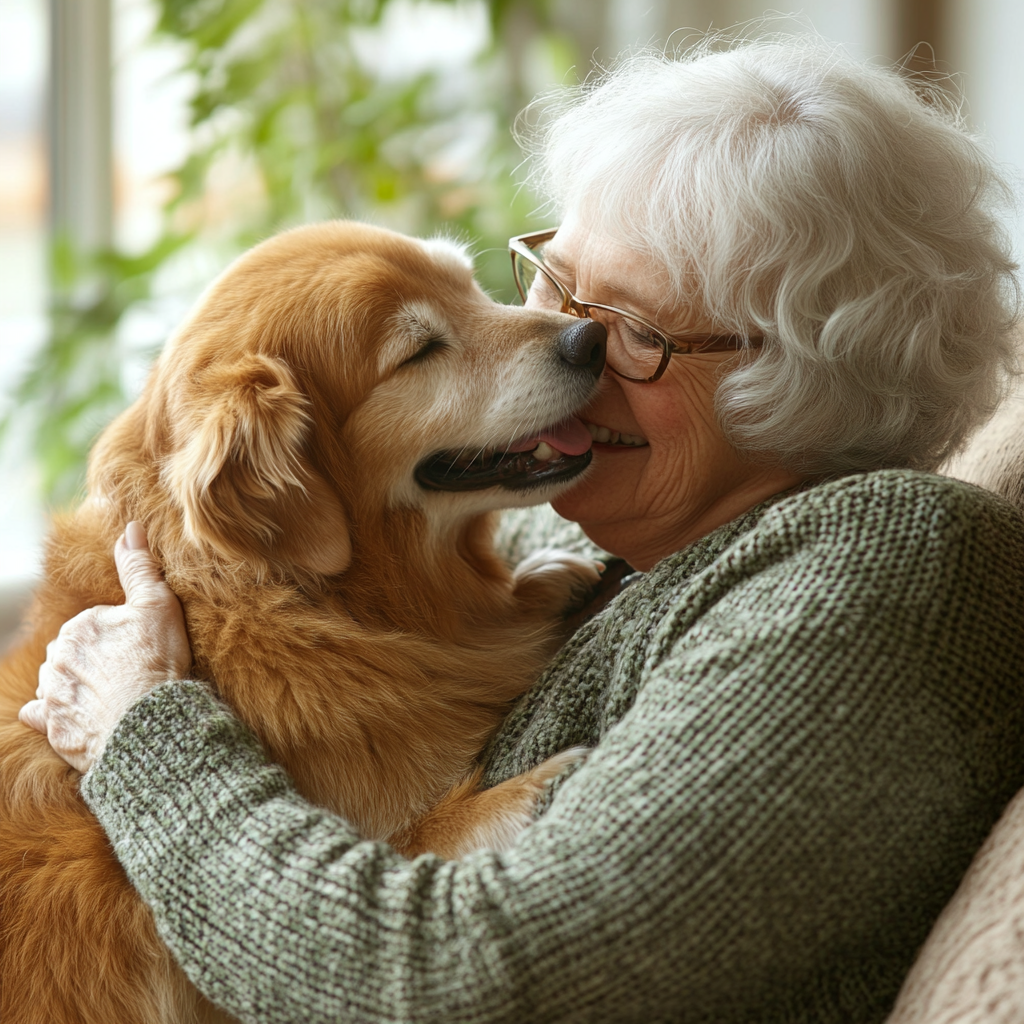
Caring for a loved one living with Alzheimer’s or another form of dementia is both an act of love and a tremendous responsibility. In the early stages, families can often manage with minor adjustments and occasional support. But as the condition progresses, daily life becomes more complex—and at some point, the care needs begin to exceed what family members can safely or realistically provide on their own. This is when specialized dementia care services become essential.
Knowing when to seek Alzheimer’s and dementia care can be challenging. Symptoms don’t always progress in a straight line, and many families are unsure if certain behaviors are just “normal aging” or signs that professional support is needed. Below are the most important indicators that your loved one may benefit from specialized dementia care at home—and why early support can make a significant difference in their safety, wellbeing, and quality of life.
1. Increasing Confusion That Puts Their Safety at Risk
Confusion is one of the most recognized symptoms of dementia—but when confusion begins to affect safety, immediate action is needed.
You may notice your loved one:
- Becoming disoriented in familiar places
- Forgetting where they are or how they got there
- Mixing up day and night
- Asking repetitive questions
- Thinking deceased relatives are still living
- Struggling to recognize familiar people
When confusion escalates, everyday environments become unsafe. A senior may walk outside and not remember how to return home or may become agitated over something they do not understand. Specialized Alzheimer’s and dementia care helps reduce these risks through structured routines, safe supervision, and compassionate redirection.
2. Wandering or Attempting to Leave the Home
Wandering is one of the most dangerous dementia-related behaviors. Even brief moments without supervision can lead to injury, exposure to harsh weather, or becoming lost.
Signs of wandering include:
- Pacing around the house
- Trying to leave during the night
- Becoming fixated on “going home”
- Packing bags with no clear purpose
- Leaving the house without telling anyone
If your loved one has wandered even once, that is a major sign they need specialized dementia care. Caregivers trained in dementia support can provide consistent supervision, identify patterns that lead to wandering, and use calming techniques to reduce the compulsion to leave.
3. Difficulty Managing Personal Care and Hygiene
One of the clearest indicators that dementia is progressing is when a loved one can no longer manage basic daily activities.
These may include:
- Bathing
- Dressing appropriately
- Brushing teeth
- Combing hair
- Using the bathroom
- Changing clothes regularly
- Washing hands
You may notice your loved one wearing the same outfit for days, forgetting to bathe, or becoming resistant to help because they are embarrassed or confused. Compassionate dementia care services provide gentle assistance, encouraging dignity while ensuring safety and cleanliness.
4. Sudden Changes in Mood, Personality, or Behavior
Alzheimer’s and dementia affect the parts of the brain responsible for mood regulation, memory, and reasoning. As a result, your loved one may begin behaving in ways that feel out of character.
Watch for:
- Increased irritability or anger
- Paranoia or suspicion
- Anxiety in situations they once handled well
- Crying spells
- Withdrawal from family and friends
- Agitation, especially in the late afternoon (“sundowning”)
These changes are not intentional—they are symptoms. But they can be emotionally draining for families, especially as behaviors become more intense. Specialized caregivers trained in dementia support understand how to respond calmly, reduce triggers, and bring comfort during distressing moments.
5. Medication Mistakes or Inability to Follow Instructions
Dementia makes it difficult to remember:
- When medications were taken
- Whether multiple doses were already taken
- Which pills treat what condition
- How to follow dosage instructions
- Why certain medications must be avoided
Medication mismanagement can cause serious health complications such as overdose, dangerous interactions, or hospitalization.
If your loved one is missing doses, double dosing, or mixing up prescriptions, specialized dementia care can include medication reminders and structured daily routines that keep them on track safely.
6. Trouble Preparing Meals or Eating Properly
Nutrition plays a major role in cognitive health, yet dementia often disrupts a senior’s ability to maintain a healthy diet.
Signs your loved one needs help with meals include:
- Forgetting to eat entirely
- Lacking motivation to cook
- Leaving burners on
- Becoming overwhelmed by meal preparation
- Eating spoiled or unsafe food
- Forgetting how to use kitchen appliances
- Losing weight without explanation
A caregiver can prepare balanced meals, offer medication-friendly diet support, assist with feeding if needed, and create a predictable schedule that ensures your loved one receives proper nourishment.
7. Household Tasks Are Being Neglected
Families often notice changes in the home before they notice changes in their loved one.
Look around for warning signs such as:
- Clutter or hoarding
- Expired food in the fridge
- Piled laundry
- Unpaid bills
- Overflowing trash
- Dishes left unwashed
- Missed appointments
These issues aren’t due to laziness—they are symptoms of cognitive decline. As dementia advances, everyday organization becomes overwhelming. Dementia care services include homemaker support, helping maintain a clean, safe, and comfortable home environment.
8. Difficulty Communicating or Understanding Others
Dementia gradually affects communication skills, making it harder for seniors to express themselves or process what others are saying.
Signs may include:
- Struggling to find words
- Repeating the same story
- Losing their train of thought mid-sentence
- Mixing up names for objects
- Not understanding spoken instructions
- Forgetting the topic of conversation
These communication barriers can frustrate seniors and exhaust family caregivers. Dementia-trained caregivers know how to simplify language, use visual cues, and create a calm communication environment that reduces stress.
9. Increasing Physical Weakness or Mobility Problems
Alzheimer’s and dementia affect more than memory—they can also impact balance, coordination, and physical abilities.
You may notice your loved one:
- Shuffling their feet
- Walking unsteadily
- Forgetting how to sit or stand safely
- Falling more frequently
- Having difficulty getting in and out of bed
Mobility challenges dramatically raise the risk of fractures, hospitalizations, and long-term disability. Specialized dementia caregivers are trained in safe mobility assistance that helps prevent injuries.
10. Caregiver Burnout or Feeling Overwhelmed
Sometimes the clearest sign your loved one needs specialized dementia care is the toll it is taking on you. Caring for someone with Alzheimer’s or dementia becomes more demanding as the condition progresses.
You may feel:
- Exhausted
- Anxious
- Guilty
- Emotionally drained
- Unable to balance work, family, and caregiving
- Afraid to leave your loved one alone
- Unsure what to do next
You are not failing—dementia is simply a condition that requires increasing levels of support. Specialized caregivers help share the responsibility and ensure your loved one receives consistent, compassionate care.
Why Specialized Dementia Care Makes Such a Difference
Families often delay seeking help because they worry about cost, stigma, or the emotional difficulty of the decision. But specialized Alzheimer’s and dementia care can significantly improve a senior’s quality of life and safety by offering:
Structured daily routines
Predictability helps reduce confusion and anxiety.
Personalized communication techniques
Caregivers trained in dementia know how to calm, redirect, and support emotional needs.
One-on-one attention
A safer, more personalized alternative to overstimulating environments.
Support with personal care and hygiene
Respectful assistance that maintains dignity.
Help with meals, medication reminders, and homemaking
Consistent support ensures no important tasks are forgotten.
Companionship and emotional reassurance
Regular interaction helps reduce loneliness and behavioral symptoms.
A safer home environment
Caregivers identify hazards and prevent accidents.
The Bottom Line: Early Support Leads to Better Outcomes
Dementia is a progressive condition—care needs don’t stay the same forever. The earlier families recognize signs and bring in specialized dementia care services, the safer and more supported their loved one will feel.
Whether your loved one is showing new symptoms, declining more quickly, or struggling with tasks that once came naturally, it may be time to consider specialized Alzheimer’s and dementia care at home. With the right support, seniors can remain in familiar surroundings, maintain dignity, and live with greater comfort and security.
Specialized care isn’t just about managing symptoms—it’s about helping your loved one live the fullest, safest life possible.